New roof installation in Irwindale covers the roof on an addition, an ADU or a new building, drawn on the plans and checked by the city's Building and Safety office. Irwindale lies in climate zone 9, with a median year built of 1985 (ACS 2020-2024).
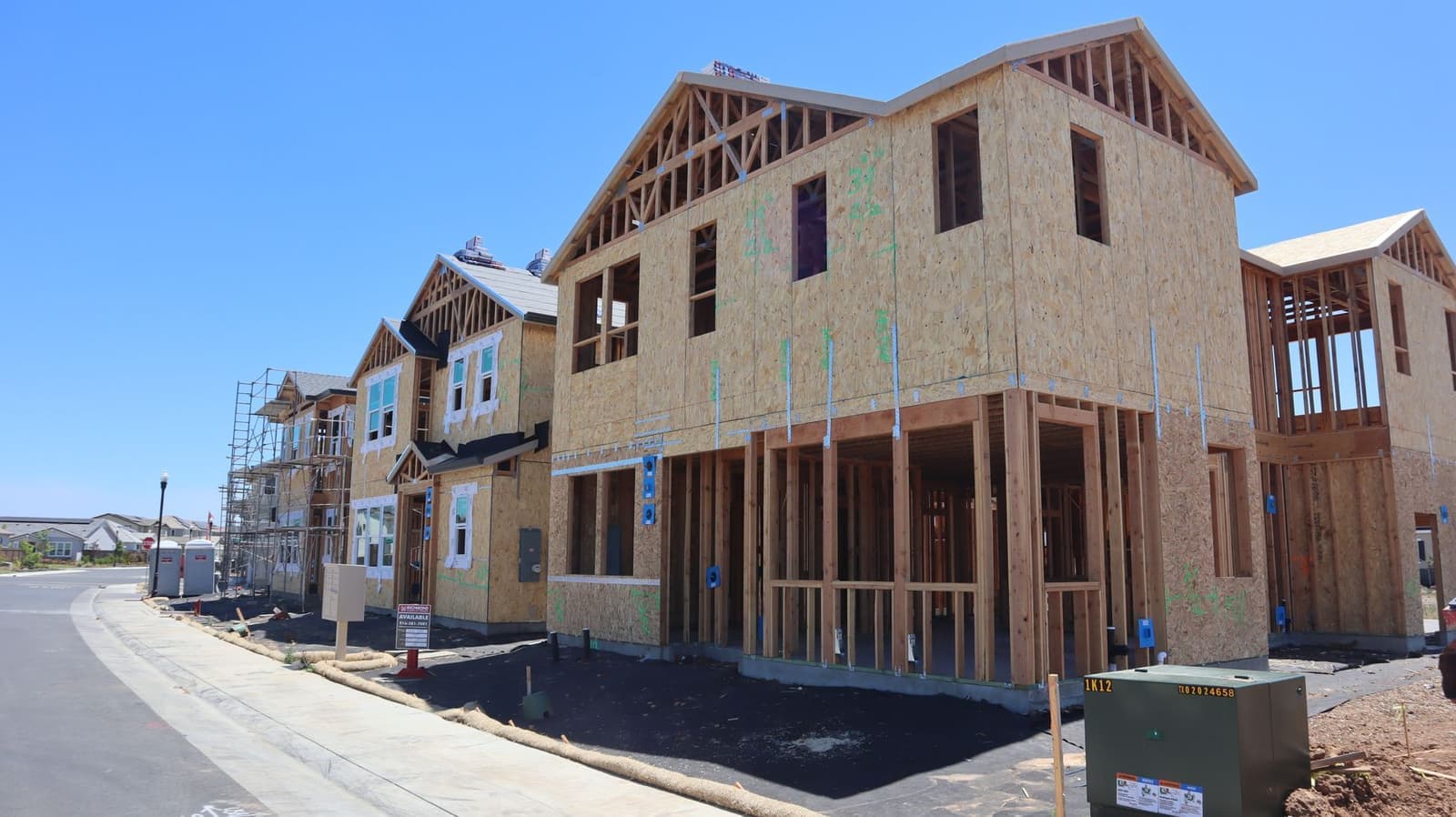
What the sheet should carry
A roof on the plan set names its slope, its covering, its underlayment and the flashing at each wall, vent and valley. It also shows the energy details the code asks for and the fire class where one applies.
The city's Building and Safety office handles permits and inspection, and Irwindale runs an online permit portal. Ask the office which sheets it wants for a roof on new work.
Joining an addition to an existing roof
An addition meets an existing roof at some point. The median house in Irwindale was built in 1985 (ACS 2020-2024). Slope and covering can follow the old roof. The layers underneath are chosen for the new frame, and the joint is flashed on purpose and not left to the sealant.
Owner-occupied single-family homes number about 296 here, a small enough set that each project is planned individually.
Title 24 and fire class
Whether the address needs a particular fire class depends on the mapped zone. Check the address on the CAL FIRE map viewer.
The 2025 Energy Code, in force since 1 Jan 2026, repeats the 2022 roof text (California Energy Commission). Rules for wildland-urban interface areas moved to Title 24 Part 7 (DGS/California Building Standards Commission, 2025).
Planning a new roof in Irwindale
What should the plans show for a new roof in Irwindale?
Slope, covering, underlayment and the flashing at walls, vents and valleys, plus the energy and fire details that apply. The Building and Safety office can say what it wants on the sheet.
Does a new roof in Irwindale need a Class A rating?
That follows the mapped fire zone for the address. Look it up on the State Fire Marshal's viewer and bring the answer to the city's building office, which can confirm what the permit asks for.
How does Title 24 apply to new roof work in Irwindale?
Through two parts of the state building standards book. The energy code governs how the roof performs thermally. For fire, look to Part 7, the interface-area chapter (DGS/California Building Standards Commission, 2025).