Roof replacement in Pasadena means taking the old roof down to the deck and building a new one in layers. The covering is what you see from the street. The underlayment, the flashing and the deck decide whether that covering ever reaches the end of its own life.
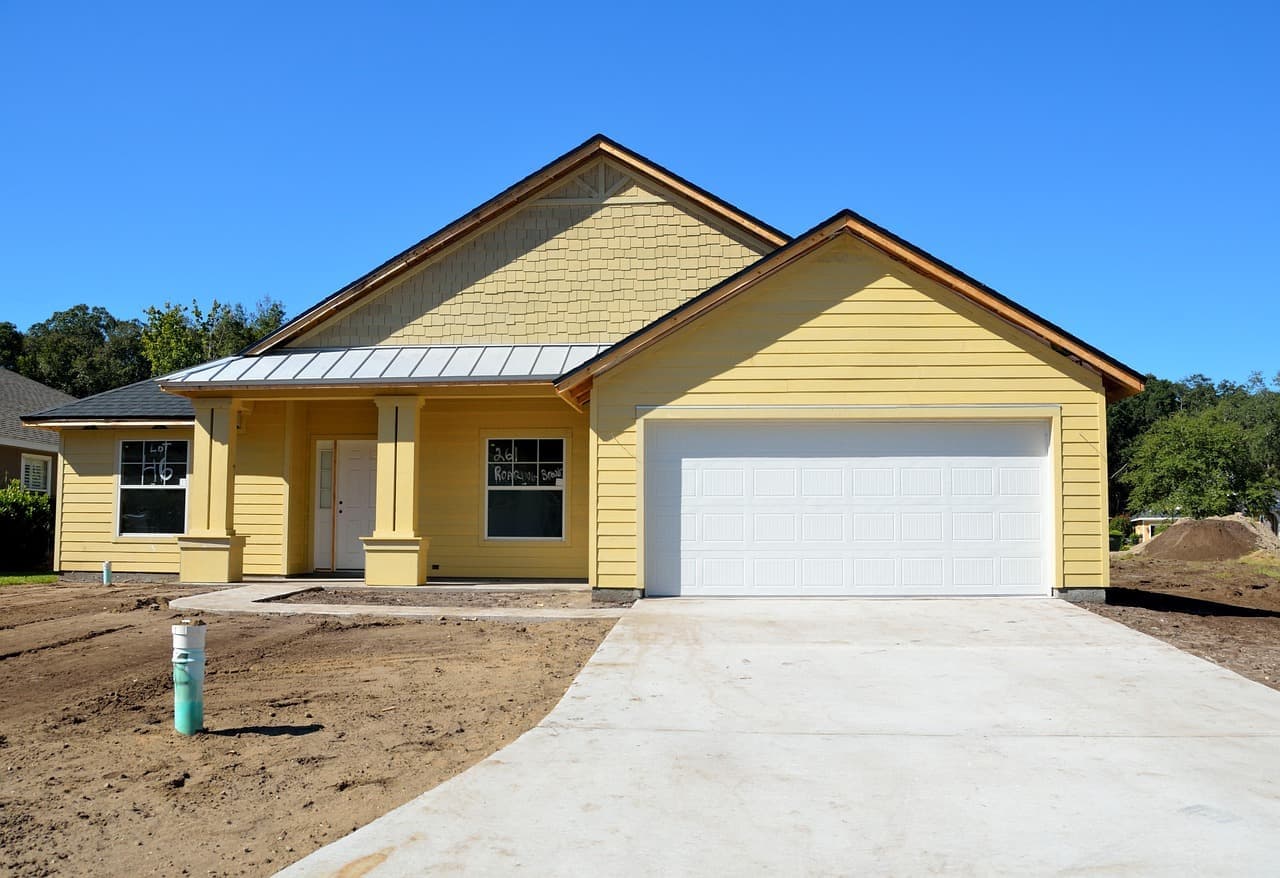
Four layers, four different timetables
The covering sheds water and takes the sun. Under it, the underlayment is a second barrier, and it ages whether or not anyone looks at it. Flashing seals the roof where it meets a wall, a chimney, a vent or a valley. The deck is the structure all of that is fastened to.
Each layer wears out at its own pace. That is why a replacement scope should list them one by one and never as a single line that says new roof.
Setting the scope around the shortest-lived layer
At the assessment we look for the layer closest to the end of its working life. If the flashing is lifting, the new covering needs new flashing. If the deck is soft in places, the sheathing is replaced before anything goes on top.
The scope puts those decisions in writing, so the new roof has no weak layer hiding underneath it.
What a full replacement includes
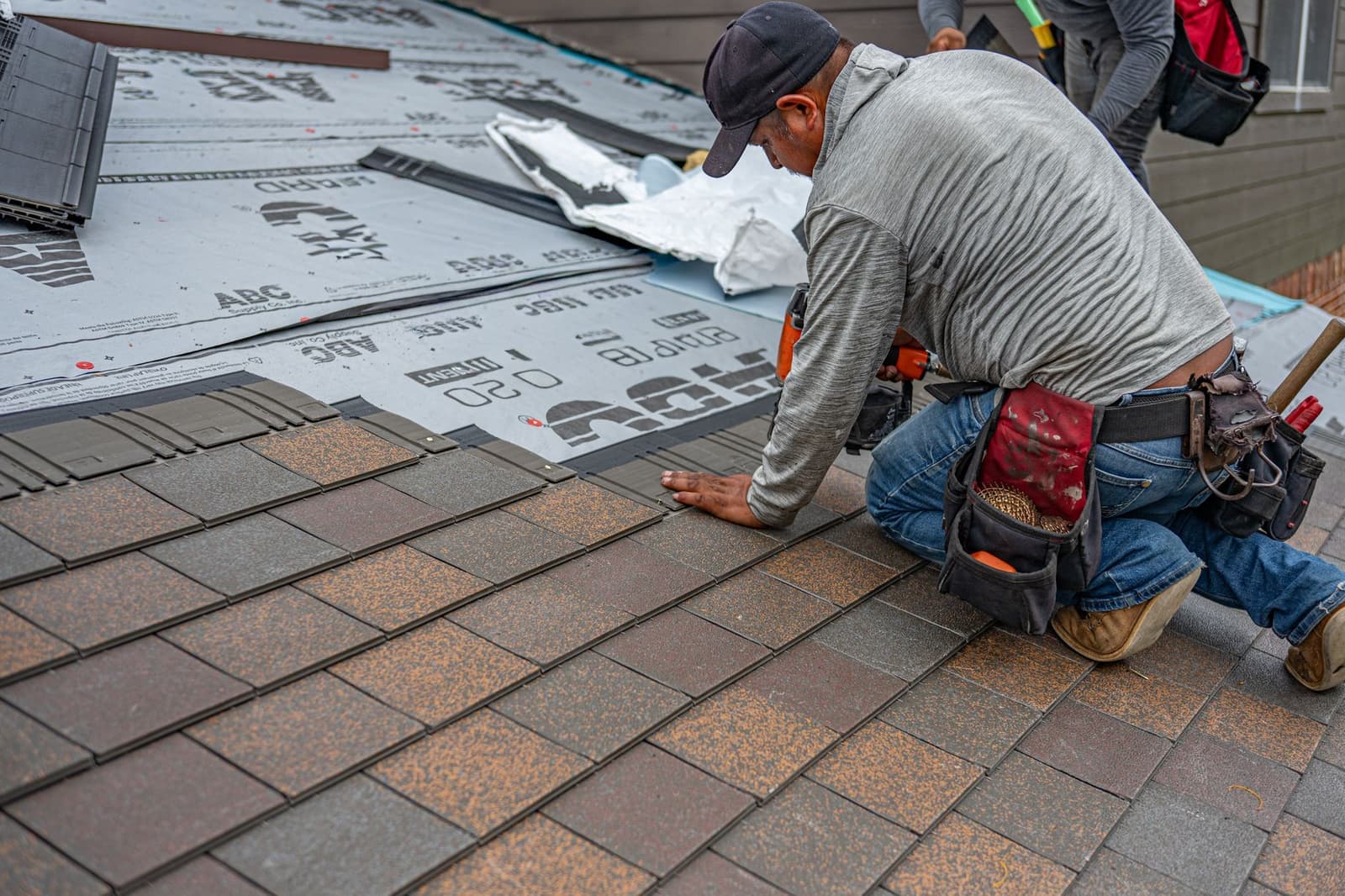
- Removal of the old covering down to the deck
- A look at the deck, with sheathing replaced where it is soft or damaged
- New underlayment across the whole roof
- New flashing at walls, valleys, vents and every penetration
- The new covering, installed to the manufacturer's instructions
- The permit, the inspection and a cleared site at the end
Signs the roof is ready for replacement
- Granules collecting in the gutters or at the downspouts
- Tiles that crack, slip or sound hollow when stepped on
- Ceiling stains that return after an earlier fix
- Flashing that is lifting, rusted or smothered in sealant
Permits and inspection depend on the address
LADBS treats re-roofs inside the City of Los Angeles as express permits. There is no plan check, and the permit is issued online or by appointment at a counter (LADBS Information Bulletin, effective 1 Jan 2026). Where the County issues the permit through Building and Safety, a reroof needs a building permit, and a solar array that comes off and goes back on requires a separate solar permit.
Cities with their own building department set their own counter. We find out which office governs the address before the job is booked.
Energy and fire rules that change the scope
The state energy code ties its cool roof requirements to how much roof is replaced. Past 50 percent of a single-family roof they apply, and an overlay is counted as a replacement (California Energy Commission, 2022 Standards). Inside the City of Los Angeles the LADBS bulletin (2026) sets a separate residential test: a CRRC-labeled cool roof product when the replaced share of the roof area tops 50 percent.
Fire class matters as well. A roof in a City of Los Angeles Very High Fire Hazard Severity Zone must be Class A. Everywhere else in the City, the building code accepts Class A, B or C.
Questions about roof replacement
Which office issues the permit and does the final inspection on a reroof?
Whichever building office governs the address. Inside the City of Los Angeles that is LADBS, and its express permits cover the re-roof types the bulletin lists. County Building and Safety serves unincorporated areas and the cities that contract with it. Other cities run their own departments. If the address is a border case, check with the city's building department.
Is a cool roof required when a house is reroofed?
The state energy code asks for one when the work passes 50 percent of the roof. Work on 50 percent or less falls outside it. Exceptions cover roofs of 25 pounds per square foot or heavier and the area beneath solar panels. The City of Los Angeles layers a residential rule of its own on top, with the same more-than-half trigger.
How does a manufacturer warranty differ from a workmanship warranty?
The manufacturer stands behind the product; the installer stands behind the installation. They are separate documents with separate terms. Ask the installer what workmanship cover comes with the job and read it before you sign.
When in the year should a roof be replaced?
Aim for the months with little rain, since an open roof is hard to keep dry. Of the 14.25 inches Downtown Los Angeles normally gets in a year, 12.42 arrive from November through March, about 87 percent. June through September sees close to none (National Weather Service, 1991-2020 normals).
What does it mean to replace a roof?
To replace a roof is to remove the existing covering and build a new roof on the deck. It differs from laying one more covering over the old, and from working on a single area. The new roof gets fresh underlayment and flashing, and the deck is corrected where it needs it.