Metal roof installation puts steel or aluminum panels on a prepared deck, over underlayment and with purpose-made flashing at every edge. The panels shed water well. The details around them decide whether the roof stays tight.
The system under the panel
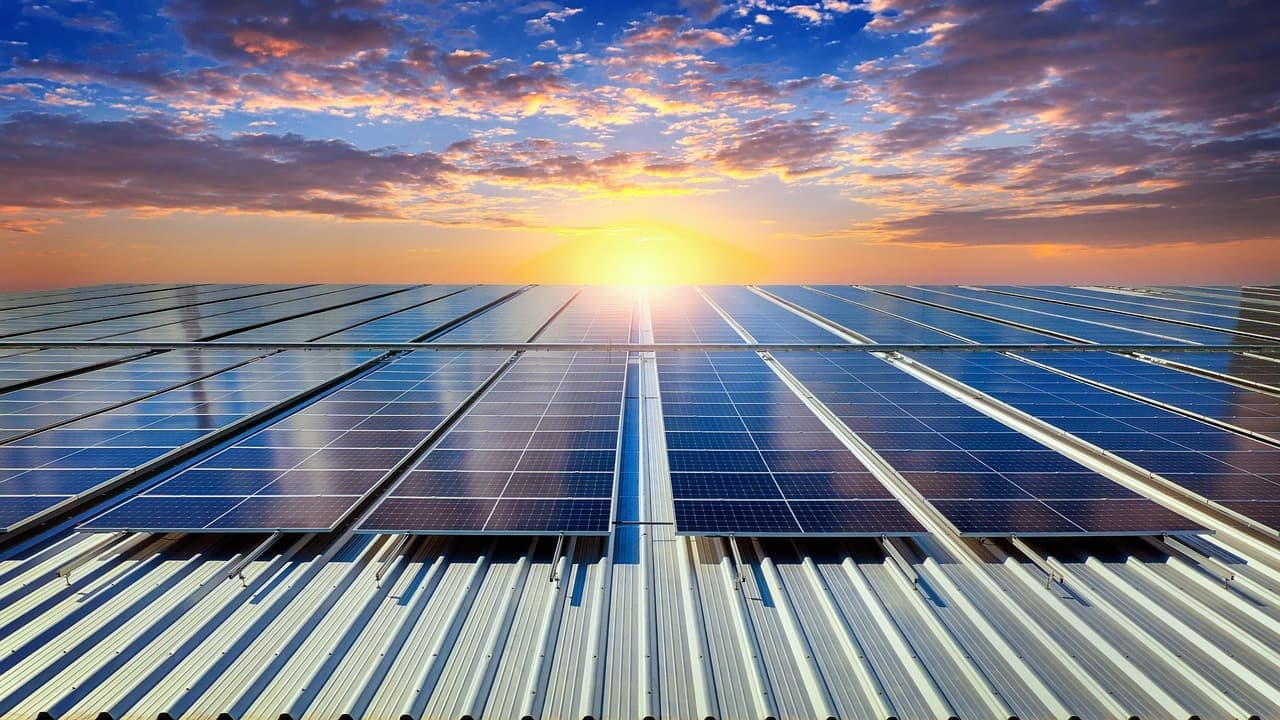
A metal roof is more than sheet metal. Underlayment goes on the deck first, panels are fastened by clips or screws depending on the profile, and flashing closes every wall, curb and valley. The panel gets the attention, yet the underlayment and flashing are the layers that tend to need attention first.
The scope should name the panel profile, the underlayment, the fastening method and the flashing details.
Fire class comes from the whole assembly
A metal panel does not carry a fire class by itself. The class is tested on an assembly: panel, underlayment and, where required, a cap sheet or deck treatment. The assembly's listing is what the building department checks.
Where the City of Los Angeles maps a site Very High for fire hazard, it asks for Class A roofing. Any address can be looked up: check the address on the CAL FIRE map viewer.
What a metal roof installation includes
- Old roof removed to the deck and the deck checked
- Underlayment chosen for the heat under metal
- Panels or standing seam fastened by the stated method
- Flashing at walls, curbs, valleys and every penetration
- Edge, ridge and trim details finished to the profile
- The permit and inspection for the address
When metal is worth discussing
- A roof of simple planes with few penetrations
- An owner who wants the covering to outlast the underlayment
- A project where fire class or cool finish matters
- A tear-off that has already shown the deck is sound
Cool finishes and the County approval step
Many metal finishes are tested by CRRC, and the label shows the aged reflectance and emittance. A steep-slope reroof past 50 percent of the roof must meet the state cool roof values in zone 9 and the other listed zones (California Energy Commission, 2022 Standards).
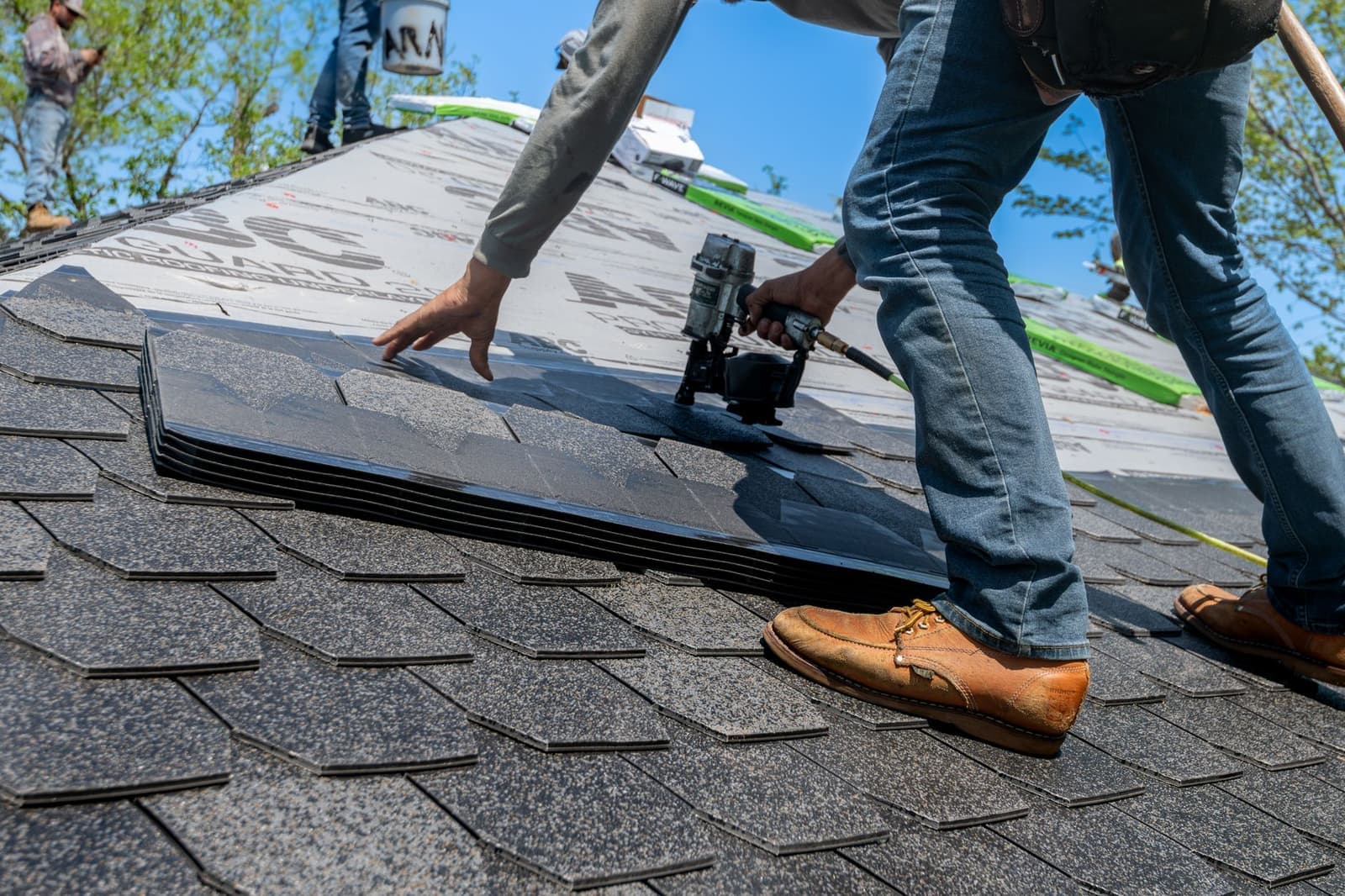
Metal is a special case under County rules: a switch to it needs Department of Regional Planning approval (LA County Public Works, BCM 1512, 1 Apr 2025).
What third-party sources say about price
Angi's 2026 page on metal roofs in Los Angeles gives an average of $22,169. Angi's 2026 replacement page puts metal at about $12 per square foot. These are third-party figures.
Price moves with the profile, the roof's shape, the number of penetrations and the deck work. Compare scopes layer by layer before comparing totals.
Questions about metal roofs
What is a good price for metal roofing?
Third-party figures are the starting point. Angi's 2026 page gives an average of $22,169 for metal roofs in Los Angeles. The right number for your roof depends on its size, shape and deck work, so ask for a scope that names every layer.
What gives a metal roof its fire class?
The tested assembly does, not the panel alone. The panel, underlayment and any cap sheet are listed together. The building department checks that listing against the fire class the address requires.
Do metal roofs come in cool-rated finishes?
Yes. Many finishes carry a CRRC label that gives the aged reflectance and emittance. A reroof past 50 percent of the roof must meet the state cool roof values in the listed zones, so the label is how the product is shown to comply.
What are the pros and cons of metal roofing?
On the plus side, metal sheds water readily and the panels can outlast the layers beneath them. On the minus side, the details are exacting, the cost is above asphalt in the third-party figures, and County rules add an approval step. Underlayment and flashing still need planning.
Does rain sound louder on metal?
It can, when panels sit over an open frame. Over a solid deck with underlayment, the sound is softened. The scope should say what sits under the panels, since that decides how the roof sounds from inside.