Commercial roof replacement renews a low-slope roof on a business or multifamily building, and it begins with an inventory of what is on the roof. Rooftop units, curbs, drains and penetrations each need their own flashing detail.
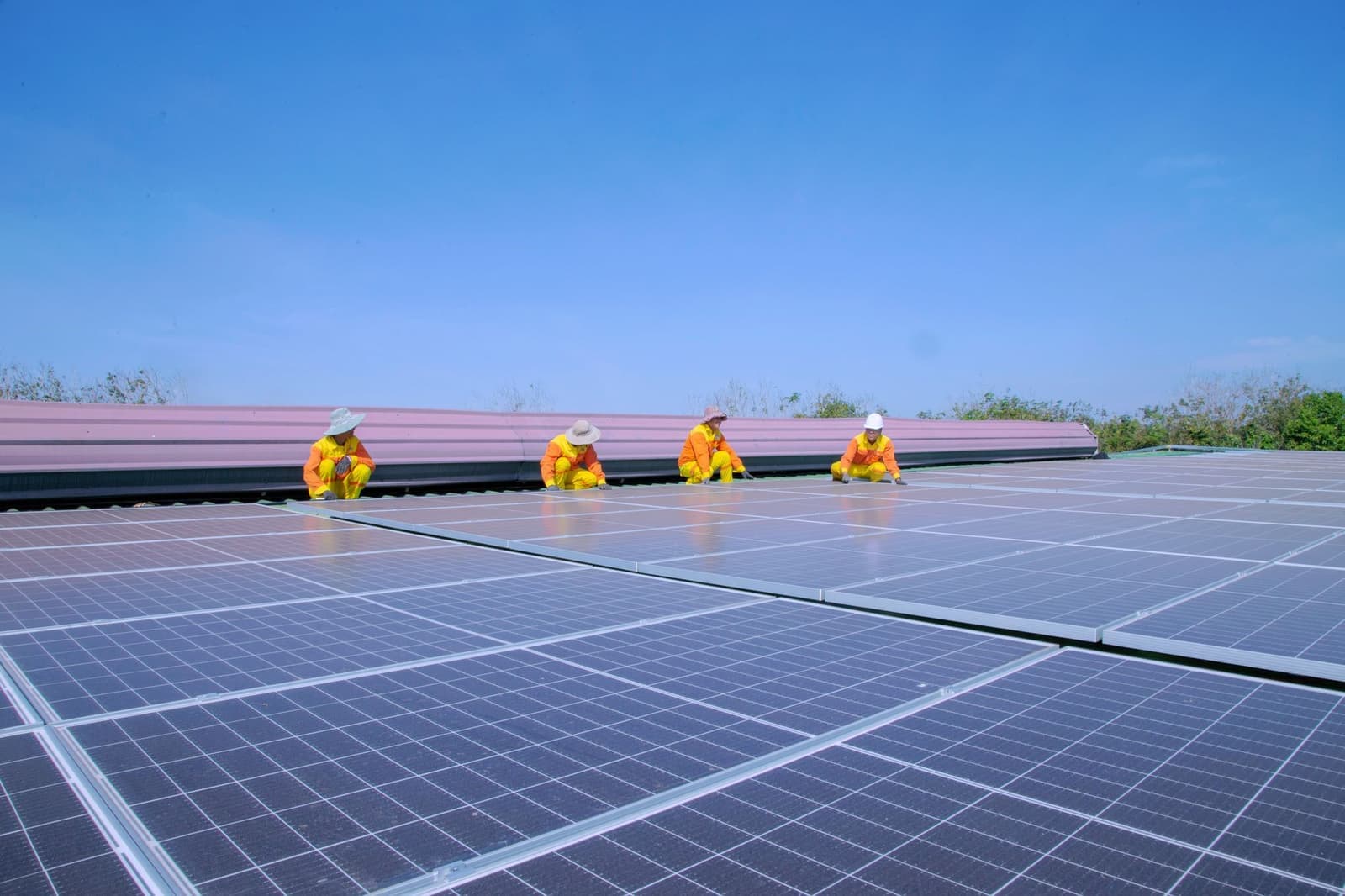
Start with what is on the roof
A commercial roof carries equipment. Rooftop units sit on curbs, pipes and conduits cross the membrane, and drains and scuppers move the water. Each of these is a place where a new membrane must be detailed.
The scope lists every unit, curb, drain and penetration, and says how each one is flashed. That list also shows where the work will be slowest.
Systems, warranties and who stands behind what
A no-dollar-limit system warranty comes from the manufacturer and covers the roof system as installed to its specification. It is separate from any workmanship cover the installer gives. Ask which of the two is on offer and what each requires.
Such warranties often have conditions about drainage, maintenance and penetrations, so read them before you sign.
What a commercial replacement includes
- A written inventory of units, curbs, drains and penetrations
- Removal of the old membrane, with insulation and deck checked
- A new membrane with seams made by the stated method
- Flashing at every curb, pipe and edge
- A phasing plan that protects the occupants below
- The permit and inspection, plus the system warranty paperwork
Signs the commercial roof is finished
- Ponding that lingers around drains
- Seams opened near rooftop equipment
- Repeated stains in the same ceiling tiles
- Insulation that is wet when the membrane is cut
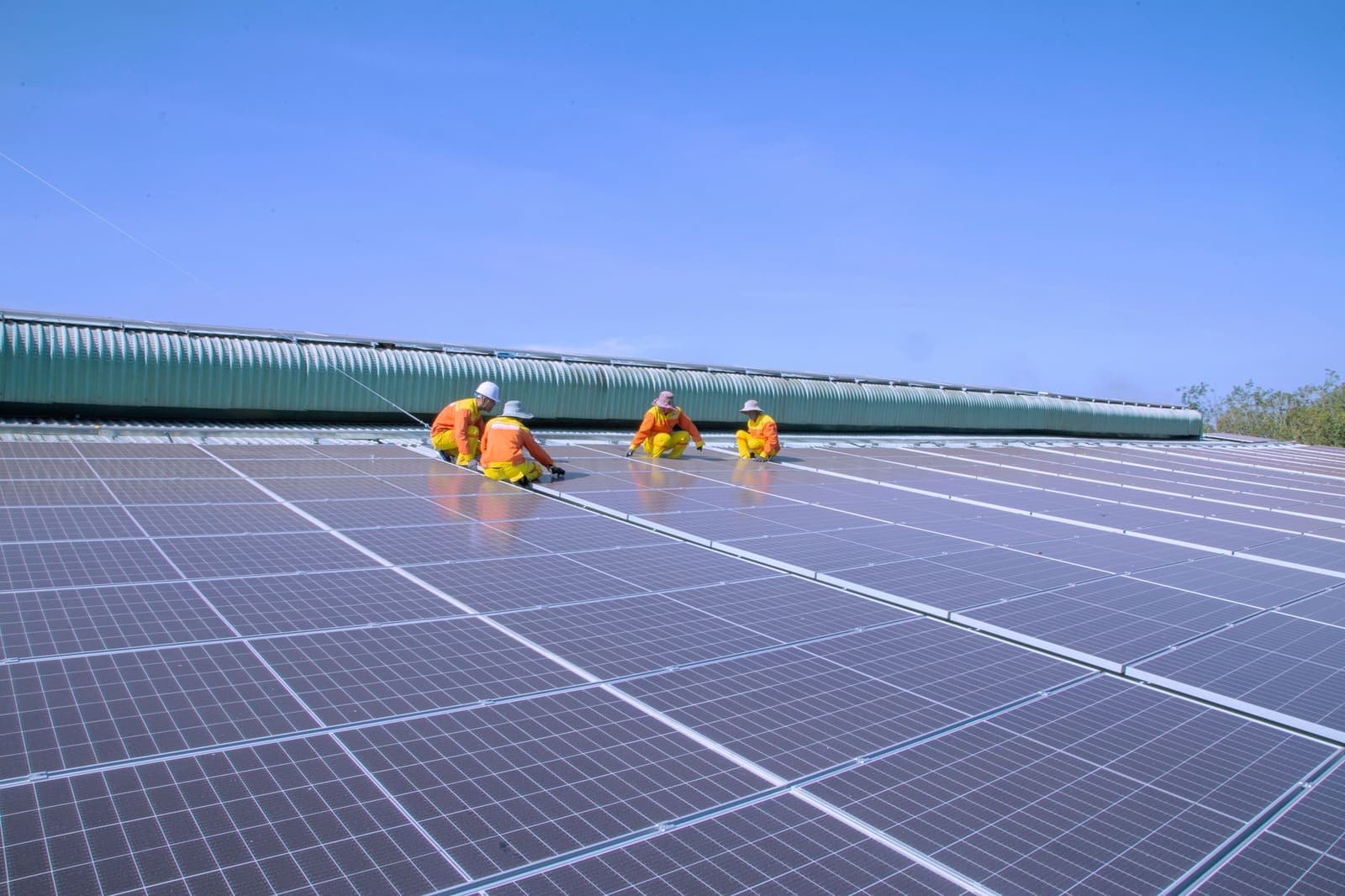
Keeping the building working
Tenants and customers stay in the building during a reroof in many cases. The scope should say how the work is phased, where materials are staged, how access to doors and loading areas is kept, and how rooftop equipment is shut down and restarted.
When tenants stay open, noise and debris control belong in the written plan.
Cool roof rules for non-residential roofs
In the City of Los Angeles, non-residential reroofs follow Title 24 section 141.0(b)2B rather than the residential rule (LADBS Information Bulletin, effective 1 Jan 2026). Elsewhere the state energy code applies once work passes 50 percent of the roof (California Energy Commission, 2022 Standards), with its own low-slope values.
The permit office for the address says which version governs.
Questions about commercial roofs
How is rooftop equipment dealt with during a reroof?
Each gets its own detail. Units are shut down and lifted or worked around, curbs are re-flashed, and drains are reset or replaced at the new roof level. The scope should list every one so none is left out.
What does a no-dollar-limit system warranty cover?
It covers the roof system as installed to the manufacturer's specification, with no cap on the amount of a covered repair. It comes from the maker, carries conditions on drainage and maintenance, and is separate from the installer's workmanship cover.
Can a building stay open during a reroof?
Often it can, with a phasing plan. The plan covers staging, access to doors and loading, equipment shutdowns and noise. Ask for it in writing before the work is scheduled.
Which cool roof test governs a commercial reroof?
Inside the City of Los Angeles, non-residential reroofs follow Title 24 section 141.0(b)2B (LADBS, 2026). Elsewhere the state energy code applies past 50 percent of the roof, using the low-slope values for flat roofs.
What type of roof do commercial buildings have?
Commercial roofs are generally low-slope. Single-ply sheets such as TPO and PVC, modified bitumen and built-up layers are the coverings in play, and the right one depends on the building's use, its equipment and what is on the deck.