A Class A fire-rated roof is one whose complete assembly has passed the top class in the building code's fire test. The covering, the underlayment and the deck all take part, so the class is something to plan for, not something to buy off a shelf.
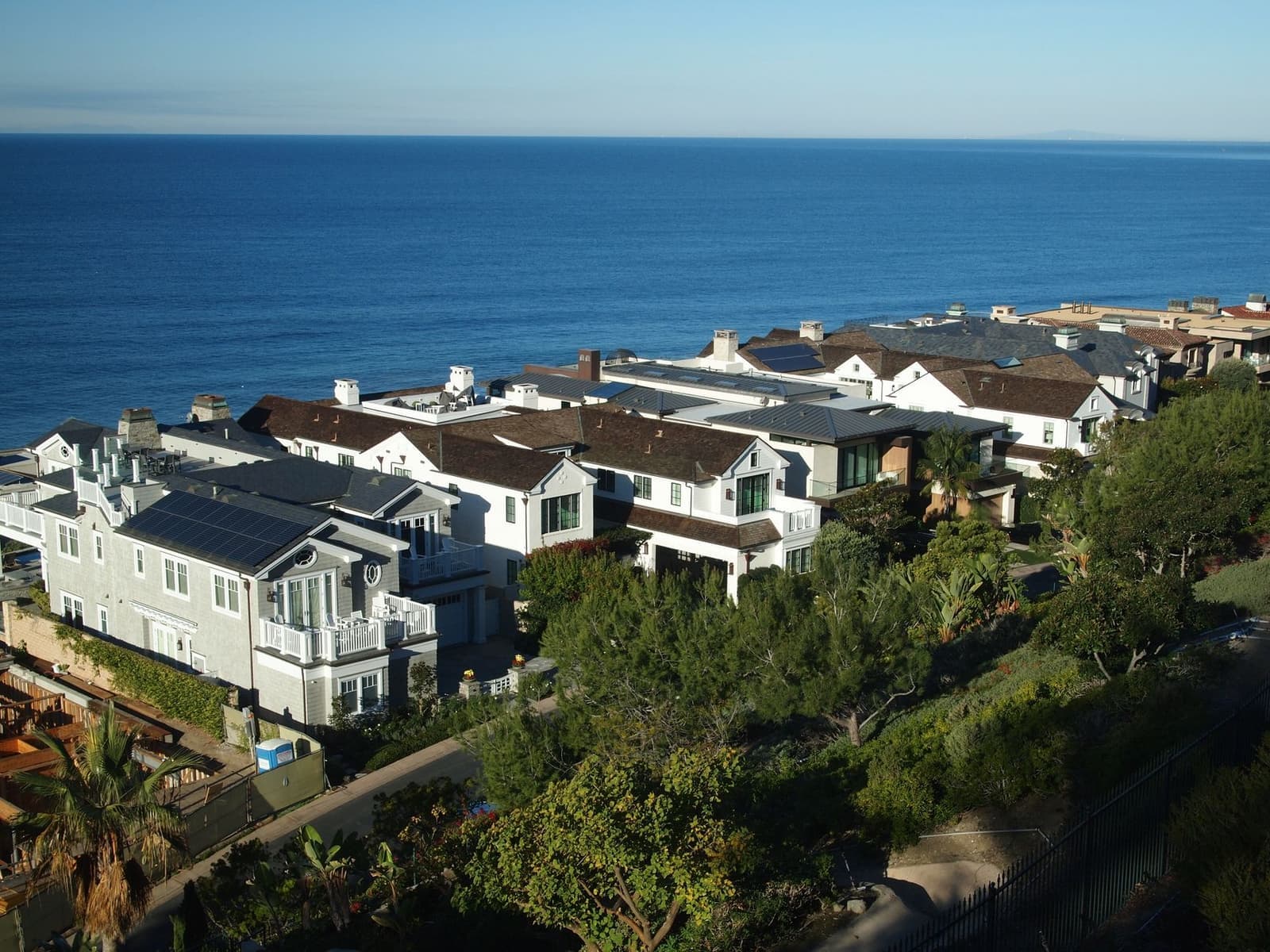
A class belongs to an assembly
Fire classes are earned by a tested build-up: covering, underlayment, sometimes a cap sheet, and the deck. Swap one layer and the listing may no longer apply. That is why the scope names each layer and the listing it relies on.
Tile and metal can reach Class A in a suitable assembly, and so can some asphalt assemblies. The listing decides, not the material's name.
Where Class A is required
Section 1505.1 of the building code names three classes, and the City of Los Angeles hands them out by map (LADBS, 2026). Pick the address's zone first. A Very High Fire Hazard Severity Zone means Class A only. Fire District No. 1 means A or B. Elsewhere in the City, any of the three passes.
Where the County is the authority, LACBC 1505.1.1 sets the reroof path inside a Very High zone. Parts of Pasadena are mapped Moderate, High or Very High (City of Pasadena council report, 21 Jul 2025). Check the address on the CAL FIRE map viewer.
What a Class A roof job includes
- The fire class the address calls for, confirmed first
- A listed assembly named layer by layer in the scope
- Underlayment and any cap sheet the listing requires
- Vents and eave details checked against the wildland code
- Flashing and edge metal in the same listed system
- The permit and inspection for the address
When a fire class is part of the job
- An address that falls in a mapped Very High zone
- A reroof where wood shakes are still on the roof
- A rebuild or new structure in a mapped zone
- A change of covering on a roof that already holds a listed fire-class assembly

What the 2025 map update changed
CAL FIRE issued new Fire Hazard Severity Zone maps for local responsibility areas in March 2025. According to ABC7 on 25 Mar 2025, Greater Los Angeles gained 29 percent in very high zone acreage compared with the 2011 maps, reaching about 900,000 acres, while the City of Los Angeles's own very high area grew about 7 percent.
Local governments had 120 days to adopt. They can add area but cannot remove any. The State Fire Marshal published four releases, the last on 24 Mar 2025.
Shakes, vents and the wildland code
Wood shake and shingle coverings are a special case. In the City of Los Angeles they are prohibited, though work on up to 5 percent of a roof may be handled by modification request. Under County rules, existing shakes have to be removed when the roof is redone.
The wildland-urban interface code, now Title 24 Part 7 and effective 1 Jan 2026, took in the rules that were once Chapter 7A (DGS/California Building Standards Commission, 2025). Vents, eaves and gutters fall under it.
Questions about fire-rated roofs
How do I find out whether an address is in a fire hazard zone?
Type the street address into the State Fire Marshal's viewer and it returns the mapped zone. Check the address on the CAL FIRE map viewer before the scope is set, since a city or the County may adopt its own version.
What did the 2025 fire hazard map update change?
More land is mapped very high. ABC7 reported on 25 Mar 2025 that very high acreage in Greater Los Angeles rose 29 percent over the 2011 maps, and that local governments may add area to the maps but not take any off.
Must a wood shake roof be removed?
That depends on who holds jurisdiction. In County jurisdiction, existing shakes must come off in a reroof. In the City of Los Angeles all wood shake and shingle covering is prohibited, though work on up to 5 percent of a roof may be allowed by modification request (LADBS, 2026).
Which materials reach Class A?
Tile, metal and some asphalt assemblies can, when the whole build-up is tested and listed. The listing for the assembly decides, so the scope names it.
Why do openings at the vents, eaves and gutters matter in a fire zone?
The wildland code covers openings as well as coverings, because embers can find their way in at a vent or under an eave. Title 24 Part 7 now carries those rules (DGS/California Building Standards Commission, 2025).