On a tile roof, the part you see can outlast the parts you do not. Clay and concrete tile can stay sound while the underlayment under them dries out and the flashing loosens at the walls. So a tile roof replacement in South El Monte starts with a question about the hidden layers: can the same tile go back up over a new underlayment, or has the tile reached its own end? Here is what each path includes, what the published figures say, what moves the price, and how Longstanding Roofing inspects and quotes the job.
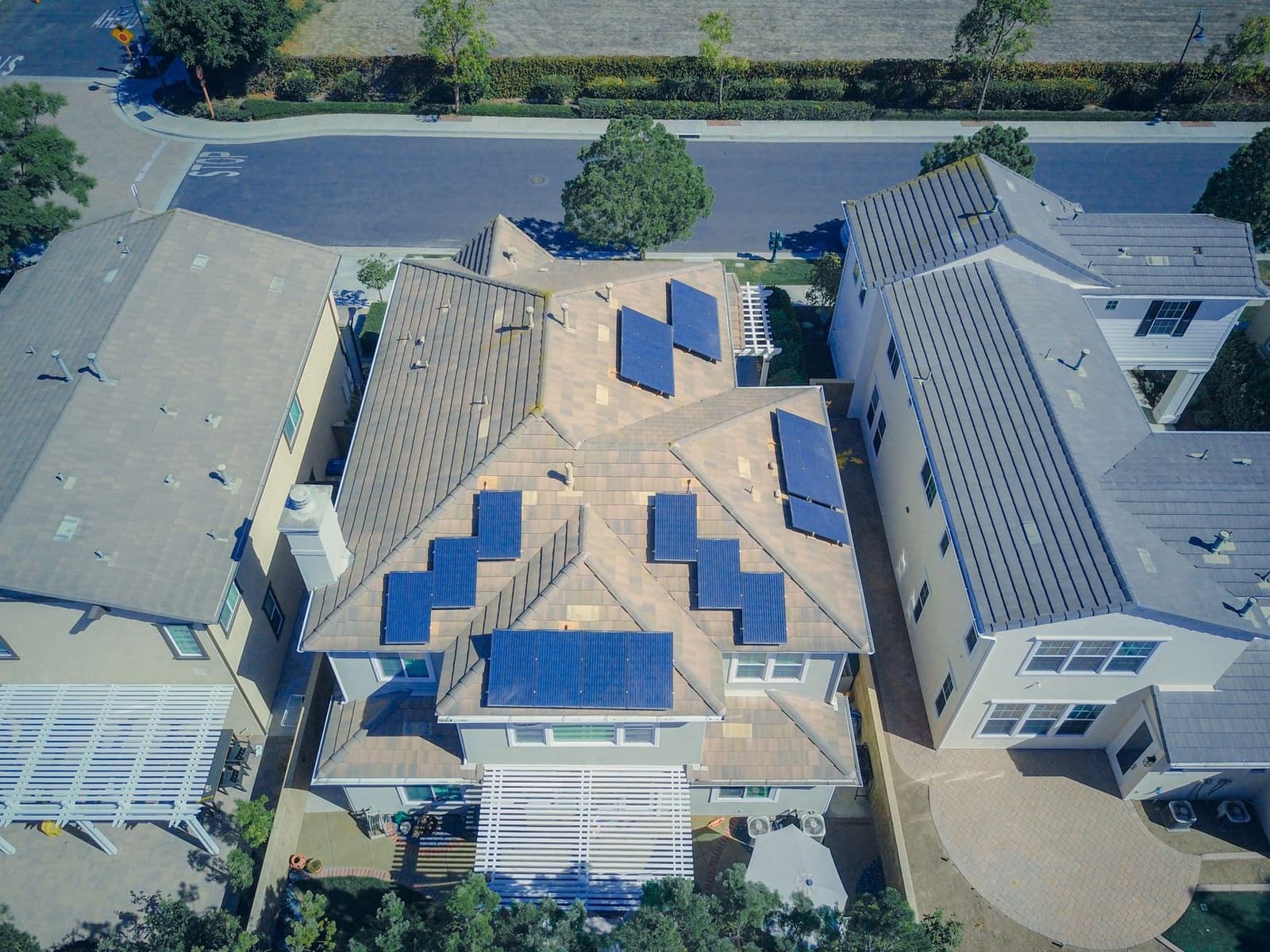
What a tile roof replacement covers
Either path begins the same way. The tile is lifted by hand, stacked on the roof or the ground, and sorted, with cracked or brittle pieces set aside. The old underlayment comes off, the battens are checked, and the deck underneath is sounded and repaired where it has gone soft.
New underlayment goes on next, laid for the weight and heat of tile. Flashing is renewed at each wall, chimney, valley and vent, along with the eave closures that keep birds and debris out from under the first course.
Then the tile goes back: the same tile on a relay, with replacements for the broken ones, or new tile on a full replacement. Hips and ridges are set and finished last.
Tile roof replacement cost: figures and what moves them
Angi's 2026 figures for Los Angeles place tile near $12 per square foot of roof, at the top of a citywide range of $4 to $12, and list $1,000 to $3,000 for taking off an old roof (Angi, 2026). Treat these as third-party figures for scale.
On your roof, the first price question is whether the tile is reused. A relay saves the cost of new tile but adds careful handling and the cost of finding replacement pieces for the broken ones. New tile adds material and weight. After that, the price moves with the measured area, the pitch, the underlayment chosen, any batten or deck work, the number of walls, valleys and chimneys to flash, how the tile can be staged, and the permit.
Lift and relay, or new tile: the layer decides
If the tile is sound and lifts without breaking, the underlayment is the worn layer, and a relay renews it while keeping the tile you have. That keeps the look of the house and spends the money where the wear is.
If the tile is brittle, crumbling at the edges or breaking in numbers as it comes up, the tile has reached its own limit. Relaying it means paying for careful handling of a covering that will keep cracking, and new tile becomes the better use of the budget.
We make that call from the roof, not from the street. A few courses lifted at the visit show both the tile and what lies under it, and the quote explains which path it prices and why.
How the visit and the written quote work
We walk the roof on the tile's strong points and lift a few courses in more than one place. That shows the underlayment's condition, the battens, and how the tile handles being moved. We check the flashing at every wall and valley and, where there is an attic hatch, look at the deck from inside.
The written quote then names the path, relay or new tile, and lists the underlayment by product, the batten and deck allowance with a unit price, the flashing to be renewed, the closures, and the share of broken tile it assumes with the price for each replacement piece. It also covers the permit and the cleanup.
If both paths are sound for your roof, both are priced so you can weigh them.
Comparing tile quotes line by line
Lay tile bids side by side and check the hidden layers. Does each bid name the underlayment? Does it say how breakage is handled and what each replacement tile costs? Is the flashing new? Are the battens and deck priced, or assumed sound?
Then the product line. Each bid should name the tile and state its installed weight, because weight moves the tear-off and the framing check. On a South El Monte house, the quote we write gives the tile that passes the energy code, so you can compare it with the other bids by name.
Book a tile inspection in South El Monte
A tile roof can look fine from the street until the wet months find the worn underlayment beneath it. Having the courses lifted and checked in the dry season gives you time to choose between a relay and new tile without a ceiling stain forcing the decision.
Call Longstanding Roofing at (626) 435-8606 or send the form at the top with the address, the kind of tile if you know it, and anything you have noticed: slipped or broken pieces, stains inside, debris in the gutters. We will set a time to lift a few courses, read each layer and write the quote. If a few broken tiles need attention first, say so. The form takes any roof job.
Tile roof questions from South El Monte
Can my existing tiles go back on the roof?
Yes, if the tile is sound and lifts without breaking. We test that at the visit by lifting a few courses. Some breakage is expected on any relay, so the quote states the share it assumes and the price for each replacement piece, which keeps the final bill predictable.
What if some of my tiles break and the profile is hard to find?
Salvaged tile in the same profile can be sourced in many cases, and broken pieces on a visible slope can be replaced with sound tile moved from a less visible one, with new or salvaged pieces placed where they show least. The quote says which approach it assumes so there are no surprises.
Is a tile relay cheaper than a new tile roof?
It saves the cost of new tile, but it carries costs of its own: careful handling, replacement pieces for breakage and the same new underlayment and flashing as a full job. Where the tile is sound, a relay is the economical path. Where it is brittle, new tile costs more now and less later.